during her Thanksgiving visit back home. Shooting in harsh climatic weather
can be both frustrating and rewarding.


JKay


 Visually impaired students from the Miami Lighthouse Project recently took a unique tour of SunLife Stadium. Instead of filing past the Don Shula memorial like other football fans, they
  stopped to run their hands over the statue’s feet, getting an idea about the height of the bronze players from the size of their shoes. They tried on a Dolphins player’s helmet, learning that the crunching sound they hear during games comes from 7-pound helmets crashing together. On the field, they held handfuls of the cool, cropped grass.


 The previous blog set the stage: One vacation, many cameras. I shot most everything twice, trying to line up the composition so that the only real difference was the focal length - one I could control with an SLR or DSLR, or one that I could not control with the iPhone 4. With the camera phone, I tried to keep the filter consistent and subtle so that the images were not overly distorted. I wanted the iPhone images to capture the same element I sought with the "real" cameras - the way the soft, warm light of late August, even on overcast days, enhanced the textures of water, faces and wood.
 Sometimes, the iphone gave me a perspective that I didn't realize I had when I looked through the "real" camera's viewfinder - it really gave me height, the ability to focus while holding the phone above my head. The extra room around my mother standing in front of her classroom blackboard, for example, gives you more information about her classroom than the saturated colors picked up by my DSLR. However, the lack of a filter on the DSLR led to more saturated colors - the colors of summer that I was trying to convey - such as the green grass stains on my mother's white tennis shoes as she mowed the lawn.
 I added my digital point-and-shoot, with all it's shooting options and zoom capabilities, to the mix? What else would have been revealed about the subjects? Or does the filtering options on the iPhone inherently add an interesting element unattainable with a "real" point-and-shoot camera? That's the exercise I have planned for my next trip.I found both camera options to be valuable tools and successful in their own ways. Now I'm curious: What if I had added my digital point-and-shoot with all its shooting options and zoom capabilities into the mix? What else would have been revealed about the subjects? Or do the filtering options on the iPhone inherently add an interesting element unattainable with a "real" point-and-shoot camera?


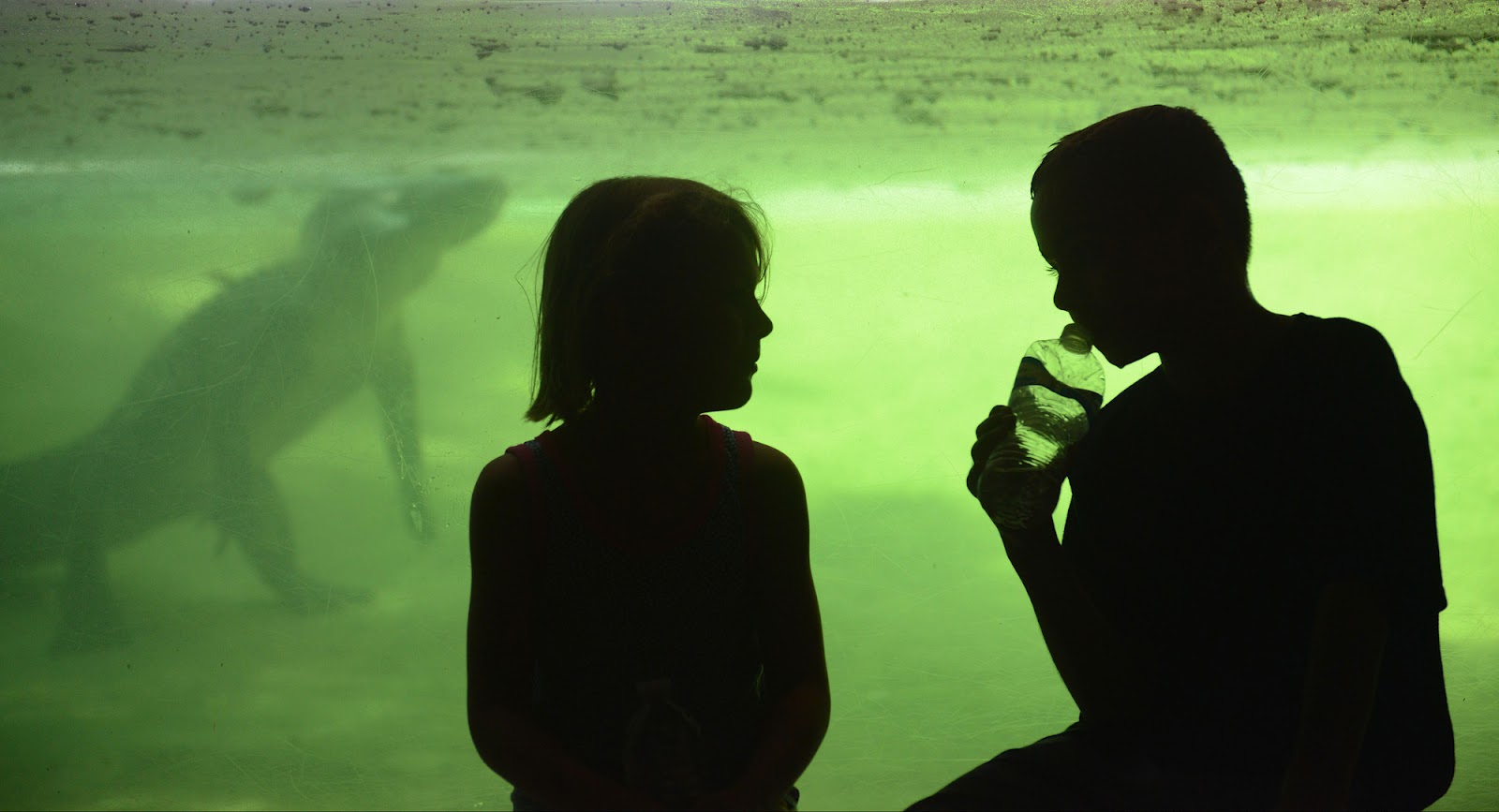


 Since
I now have an annual pass, I will most certainly go back soon and try
again with different exposures and lenses. As with all things, practice
makes perfect!
Since
I now have an annual pass, I will most certainly go back soon and try
again with different exposures and lenses. As with all things, practice
makes perfect!
